Title. Half Life General (Vishwakarma, 2017)
Half Life, the series famous for not being able to make a proper trilogy, but I digress; the original Half Life was developed by Valve and released November 1998. This game has had a substantial impact on video games and is considered one of the ancestors to all modern first-person shooters. Most surprisingly of all, this game, which is almost as old as I am, it still fun to play now despite its outdated features.
The biggest draw to me from Half Life is its unbelievable talent when it comes to interactive storytelling. In contrast to many other games, just about the entire story of Half Life is found within the gameplay. This and its unbelievable level design that balances for intuitive navigation as well as creating effective and varied challenges for the player makes Half Life really fun to play over and over.


Figure 1. Before Disaster (Valve, 1998, own screenshots)
The game starts out rather slowly. Instead of dropping right into the action, Half Life takes on a more narrative and visual focus following the main character, a new employee at a science company, as he rides a tram into the facility, passes through security checkpoints, and chats with some of the other scientists as he walks down to his first assignment. Even though the graphics are dismal by today’s standards, the player still gets the impression that the company is interesting and is, well, real. There is a plethora of different science gizmos and the scientists are working like it is just another day on the job walking about, drinking coffee, and microwaving breakfast.
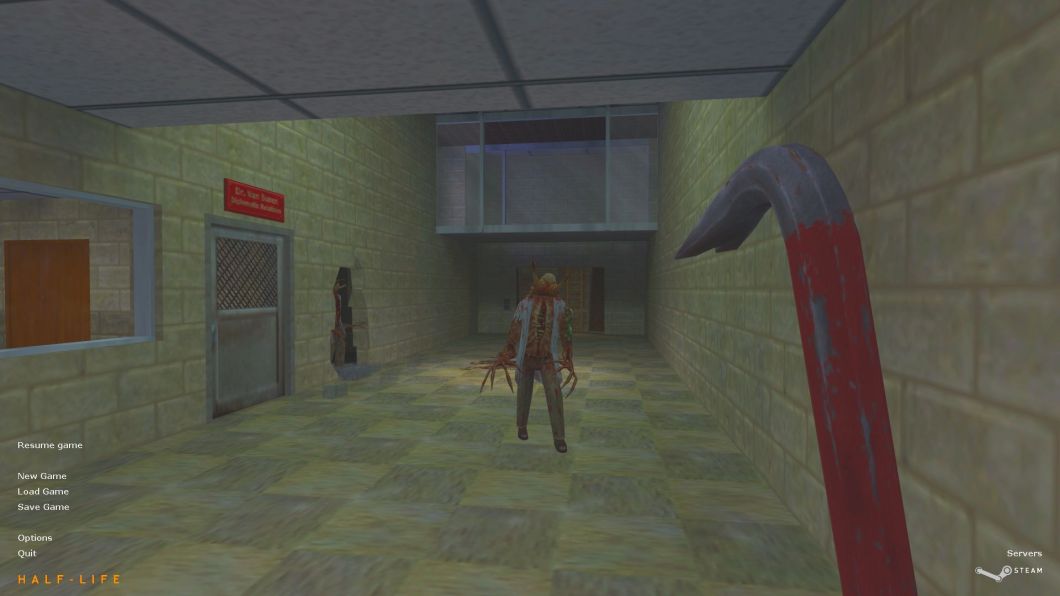
Figure 2. Headcrab Zombies (Valve, 1998, own screenshot)
When the action starts with a scientific accident, the game leans into a survival-horror genera with the player navigating through the maze of dead scientists, bizarre aliens, broken scientific equipment, and malfunctioning doors and elevators. Nothing is “just there for show”. The scientists are sometimes needed to open a door, the aliens must be defeated with limited weapons, the broken scientific equipment often serves as an emergency bridge or walkway to circumvent dangers, and the malfunctioning doors and elevator bring suspense being the main obstacle which the character needs to navigate to make it to the military forces on the surface (the labs are deep underground).
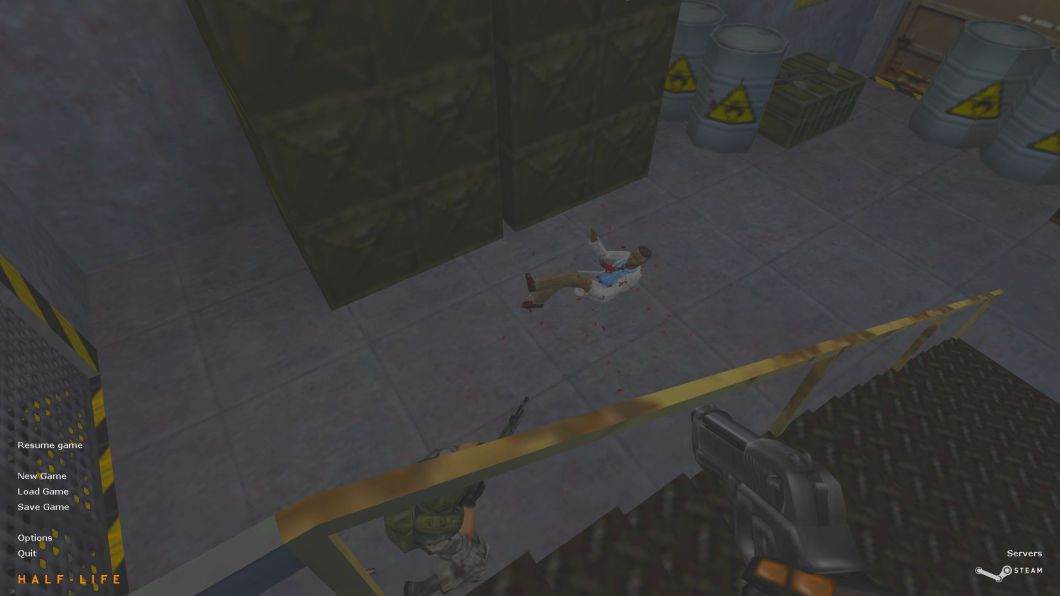
Figure 3. Treachery of the Military (Valve, 1998, own screenshot)
The genera subtly shifts to a more usual first person shooter as the player begins to discover why the army is really there: to cover up the accident by exterminating everyone in the facilities. This is done entirely through visual events watching soldiers gun down scientists who run to them for help, listening to their chatter while hidden, and even reading the spray paint messages on the walls as they get more desperate to eliminate the player.
The aliens don’t disappear either there are even events where the soldiers fight directly against the aliens. All throughout, the main character is driven by a sense of survival, moving from laboratory to laboratory fighting back against the aggressive forces and navigating around the facility crumbling from the disaster, alien infestation, and military bombings.

Figure 4. Plant Monster (Valve, 1998, own screenshot)
Half Life is a game with a lot of exploration. The “main” path is almost always blocked by some obstacle and the player must search around the area for an alternative route, or a means to clear the main route. For example, at one point, the way forward is blocked by a giant alien plant monster. Luckily, the monster made its home in an abandoned rocket testing chamber, but the area is abandoned and the rocket engine isn’t currently operational. By observing the site and through a bit of exploration, it is determined which components the rocket is missing and, by following the pipes, one can reach and switch on the missing components. The mastery of this is that the entire part is done solely using subtle visual cues such as labeled pipes, clogged machines, and indicator lights on certain diagnostic monitors.
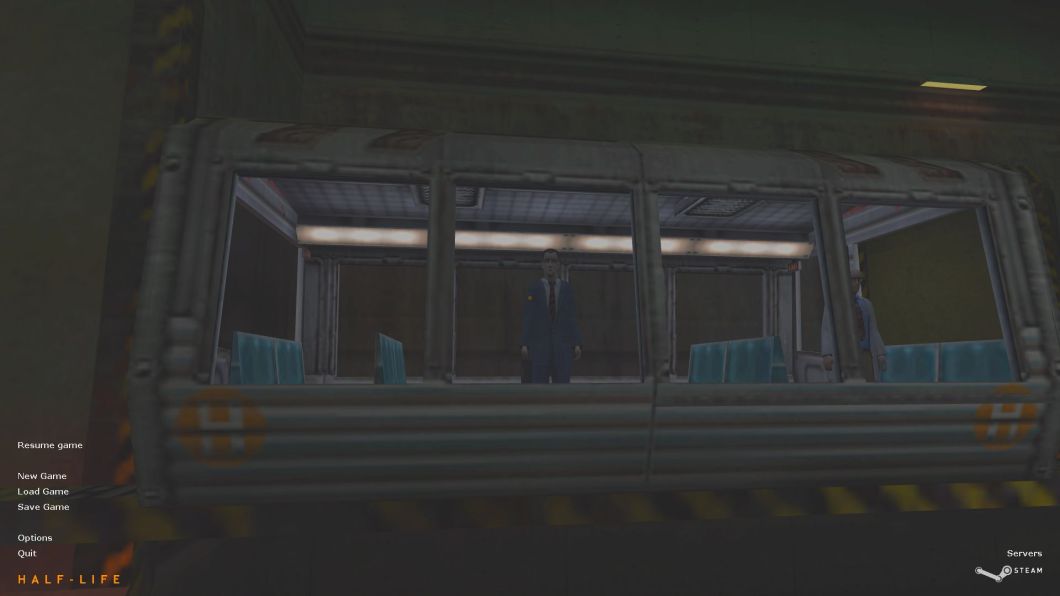
Figure 5. The G-Man (Valve, 1998, own screenshot)
In addition, a layer of mystery is added by one unusual man with a briefcase and a blue suit. This man, alone, isn’t that unusual, but a careful eye will catch him watching the character from many different locations; too many times to be a mere coincidence. His appearances are akin to ghostly hauntings as he only appears in the distance and by the time the character approaches to get a better look (if possible), he is gone, sometimes despite there being nowhere for him to have gone. He is not officially given a name, but enthusiasts found him listed as “G-Man” in the game’s software and who he is is still a mystery as of the time of this post.
References
Half Life. (1998). [PC]. Bellevue, WA: Valve.
Vishwakarma, R. (2018, July 11). Half Life [Half Life General]. Retrieved from https://wccftech.com/half-life-new-patch-released-19/
Wikipedia. Half Life (video game). (2018, October 17). Retrieved from https://en.wikipedia.org/wiki/Half-Life_(video_game)
 The Art of Replaying