Title. Portal Button (Valve, 2007, own screenshot)
I often wonder to myself how a mere two-hour-long puzzle game can have such an impact on people. I, myself, have heard enough jokes about cake and companion cubes to last a lifetime, yet I still find myself coming back to this game to replay it. Note: I do cover the plot here, so there are minor spoilers.
About the Game
Portal is a game made by Valve in 2007 to be released alongside of the Half Life 2 Episodes as a part of Valve’s Orange Box Package. Portal is a puzzle game which uses portals, instantaneous gateways between two points, as the main method by which each puzzle is completed.
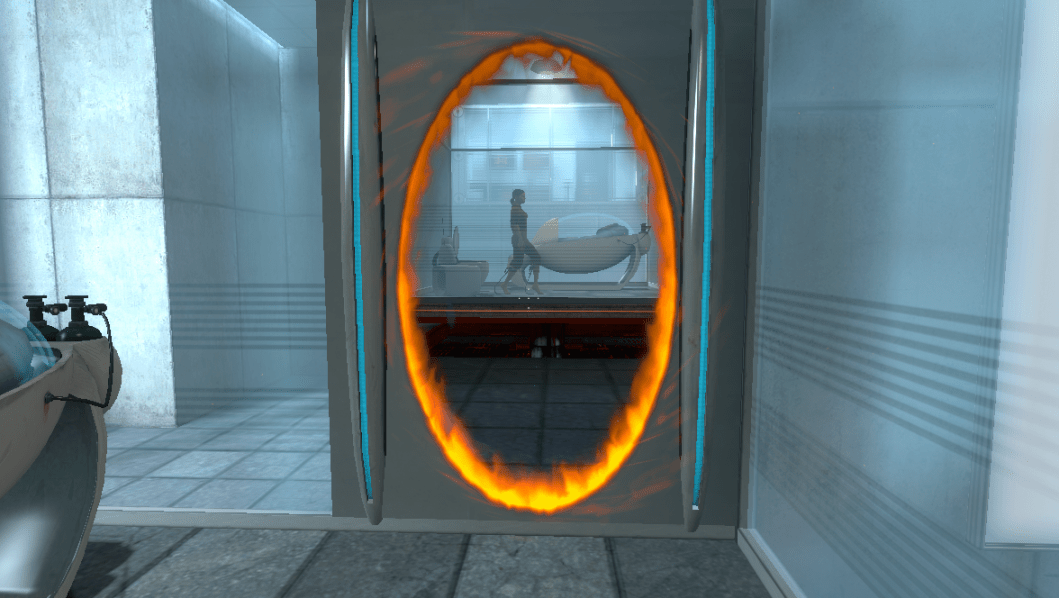
Figure 1. Portal Example (Valve, 2007, own screenshot)
Being only two hours Portal is a rather short game. This makes it easy to play through the entire game in an afternoon. I rather like its length because it allows for a very satisfying experience; I can make my way through the entire plot in a day and end my play session without feeling as if I need to dedicate my next ten hours of free time to finishing what I have started.
Setting Part 1
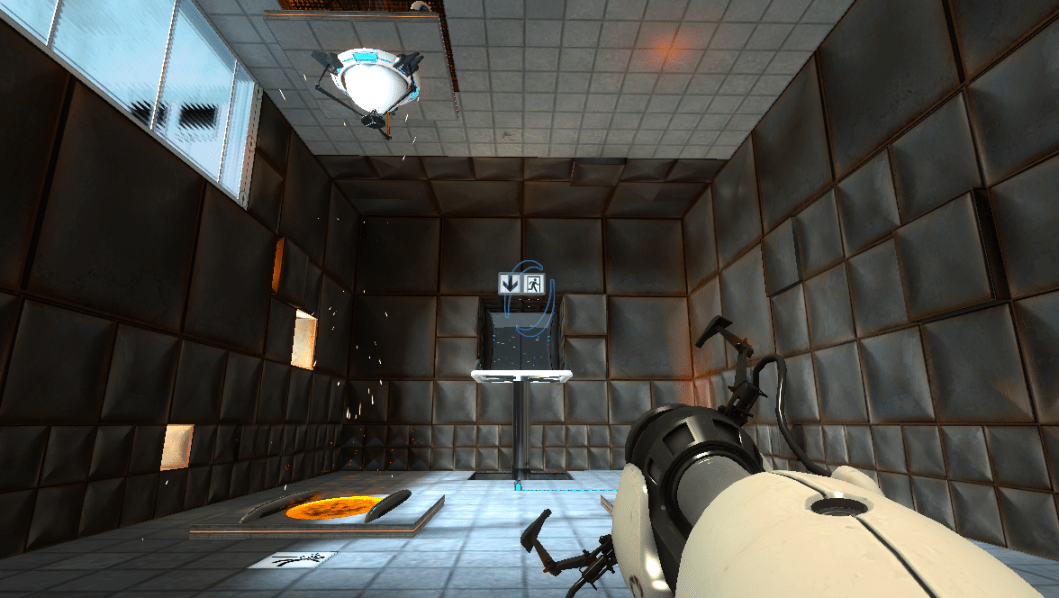
Figure 2. Portal Room Example (Valve, 2007, own screenshot)
All throughout the first part of the game, the entire setting appears to be minimalist with most walls covered with either a plain white tile surface, or the cubic grey surface. However, there is a lot of detail hidden in each area.

Figure 3. Warning Signs (Valve, 2007, own screenshot)
For example, there are warning signs posted everywhere on the floors and walls which suit to direct the player as well as being rather humorous. The game compounds these signs with a narrator that treats the danger nonchalantly giving useful advice like “The floor here will kill you. Try to avoid it.” or warning the player about when one of the test chambers was replaced with a course full of machine-gun turrets.
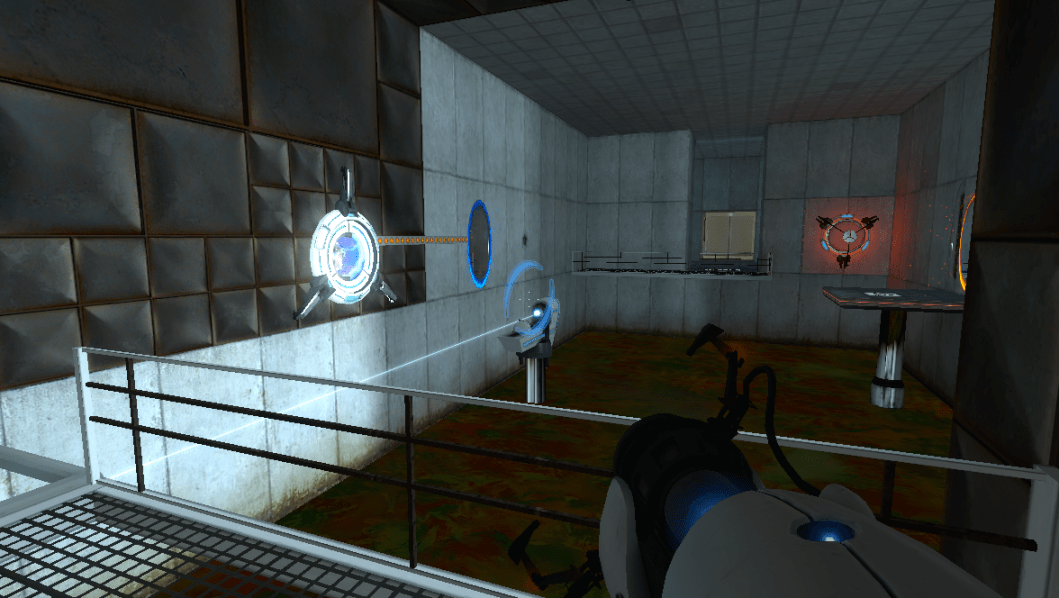
Figure 4. Dangerous Floor (Valve, 2007, own screenshot)
This all builds to the character of the science facility and how it doesn’t really care that much about the safety of the test subjects and will ignore or make excuses for the overwhelming number of workplace hazards.
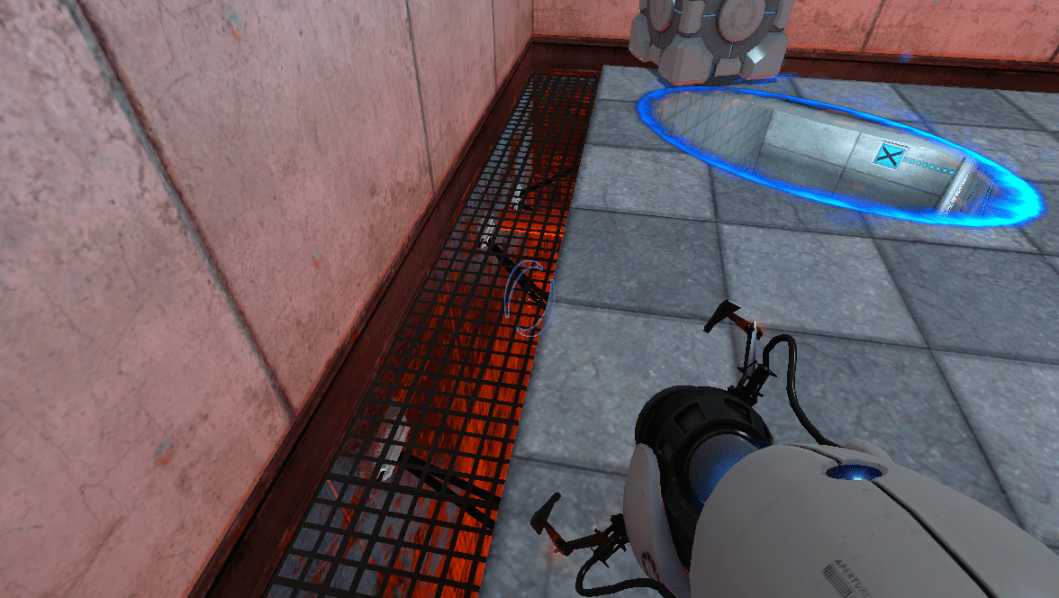
Figure 5. Beneath the Test Area (Valve, 2007, own screenshot)
Within each test area, there is a tone of darkness and loneliness. When the platforms move out of the wall, the player can see the rusted surface and red emergency lights behind a metal grate. There are lookouts where people would could sit and observe each test, but they are all empty and replaced with security cameras that follow the player’s movement.
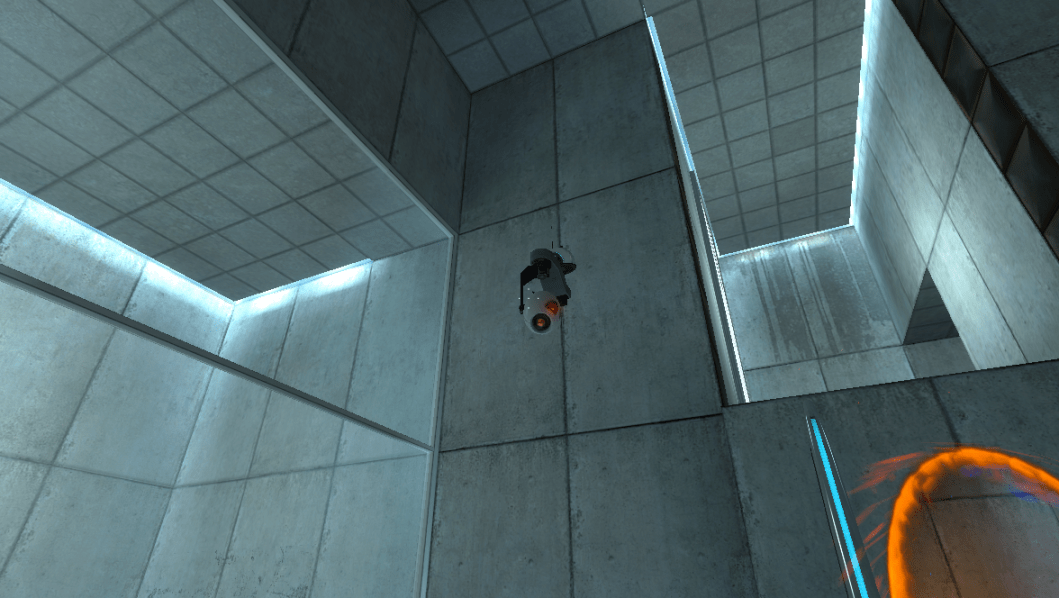
Figure 6. Security Camera (Valve, 2007, own screenshot)
Eventually, there are areas where the sections of the test chamber are pulled away and the player can walk outside of the clean test area. In each one, there are signs of real human inhabitants with samples of blood, writing, dirty hand prints, posters, pictures, empty containers and even a cooking arrangement. Even the background music plays its part crossing between empty white noise and long notes with dark undertones which both feel empty and foreboding.

Figure 7. Opening in Wall (Valve, 2007, own screenshot)
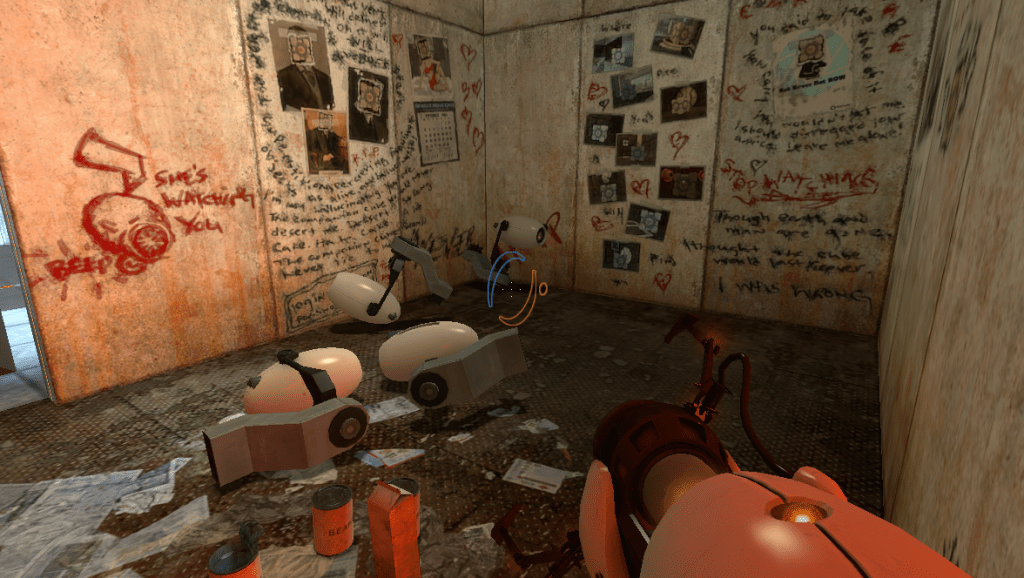
Figure 8. Writing on Wall (Valve, 2007, own screenshot)
Setting Part 2
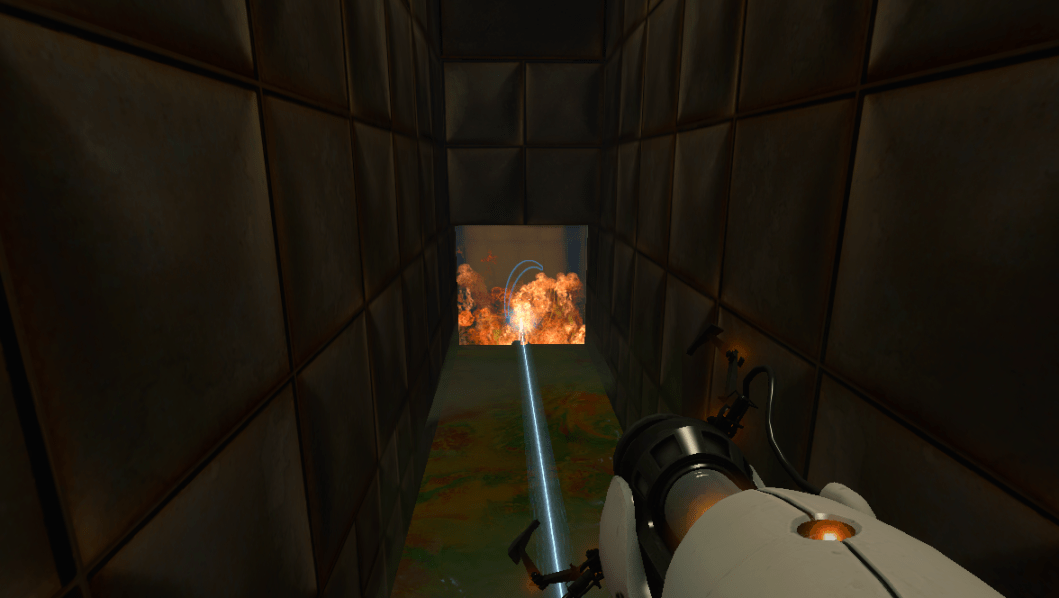
Figure 9. Into the Furnace (Valve, 2007, own screenshot)
The plot finally turns when the end of a puzzle results in a platform with the player slowly moving into a furnace. The music races and the character is given a few desperate moments to escape into the mechanical backrooms of the facility. The aesthetic of the rooms switch to rusty walls and a maze of mechanical parts. The more upbeat music and the motion of the parts contribute to the flight of the character from their doom.
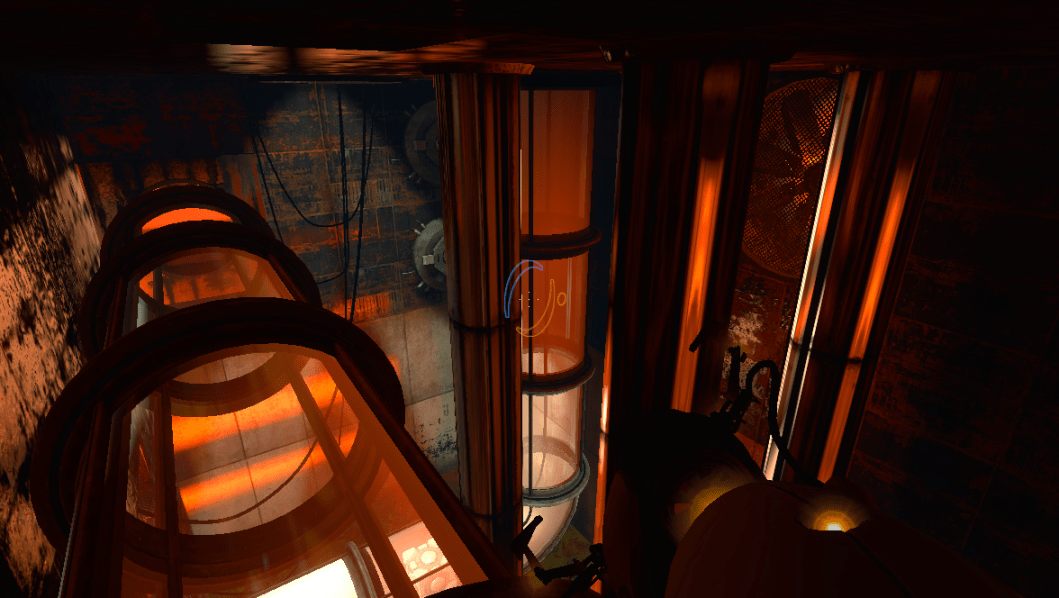
Figure 10. The Interworkings of the Facility (Valve, 2007, own screenshot)
The narrator is still speaking, but she is more desperate which gives substance to what the character is trying to escape. Again, the plot is in the details. As the character explores the backrooms, she walks into the observing platforms from the previous levels as well as the office space for the facility. They are all empty, but they feel as if they once had people depicting chairs ajar and even a spreadsheet presentation about a competing facility.
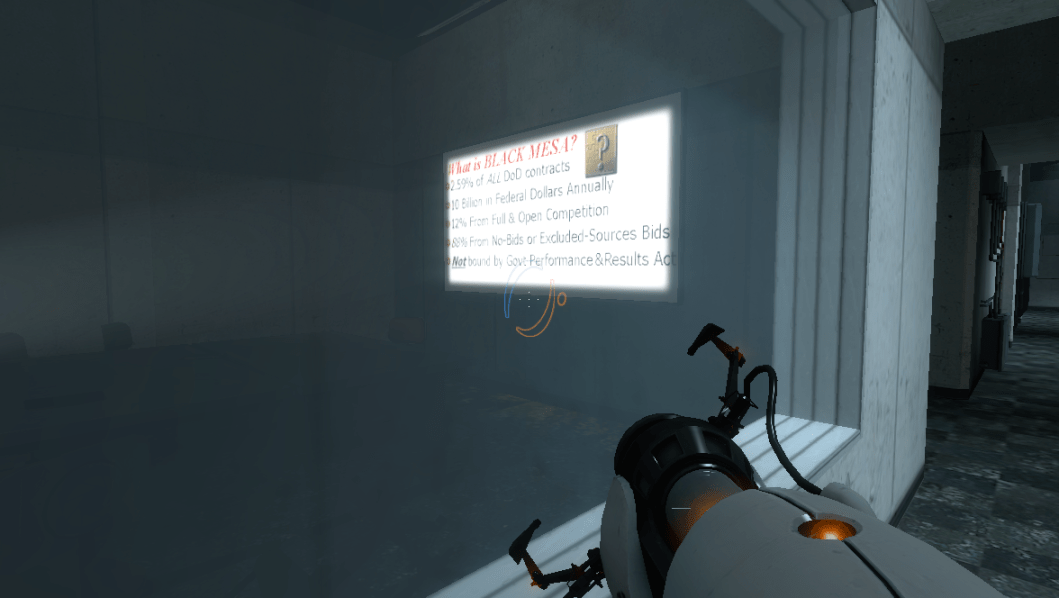
Figure 11. Playing Spreadsheet (Valve, 2007, own screenshot)
Replayability
One could just say that Portal is replayable simply because it is a great game. However, there is more than just that. The game is unbelievably well streamlined. Despite being only two hours, neither the gameplay nor the plot feel rushed. In addition, the sheer amount of hidden detail makes each playthrough unique as the player discovers things that they missed on previous playthroughs.
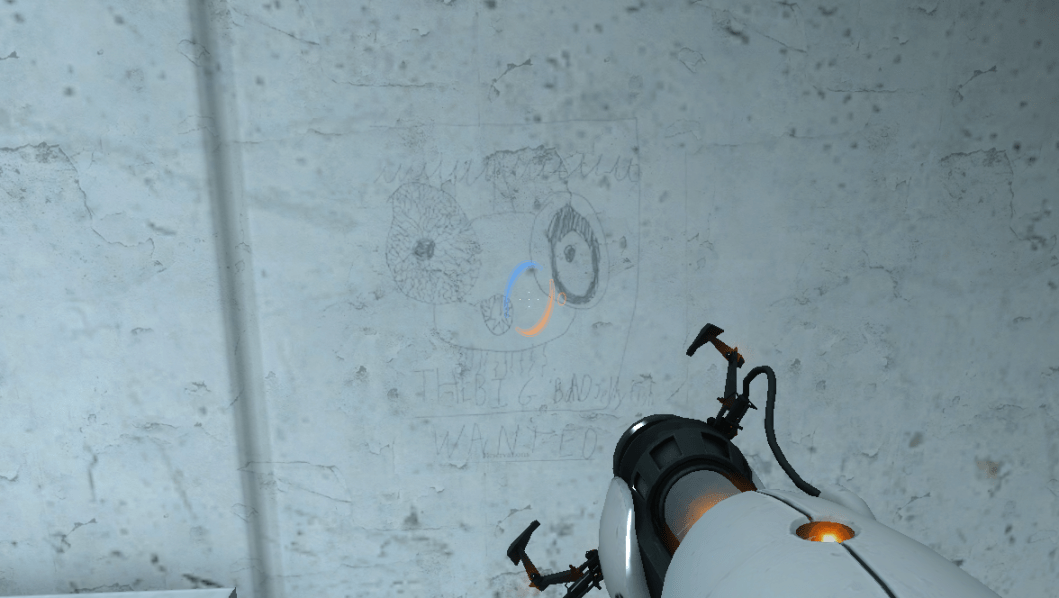
Figure 12. Something New I Found on Most Recent Playthrough (Valve, 2007, own screenshot)
Gallery

Figure 13. More Wall Writing (Valve, 2007, own screenshot)

Figure 14. Cooking Arrangement (Valve, 2007, own screenshot)
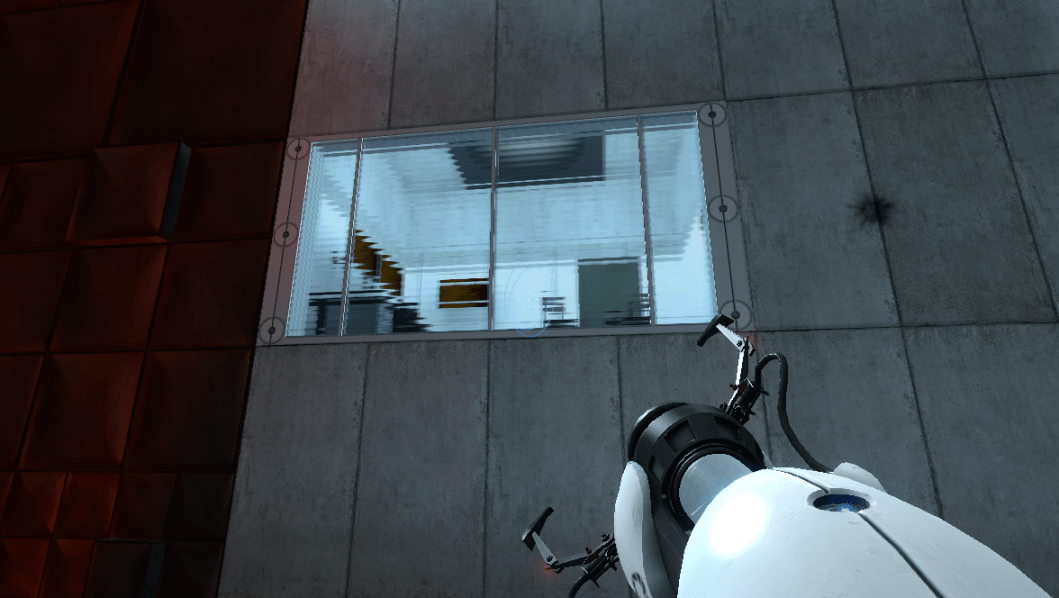
Figure 15. Empty Observation Deck (Valve, 2007, own screenshot)
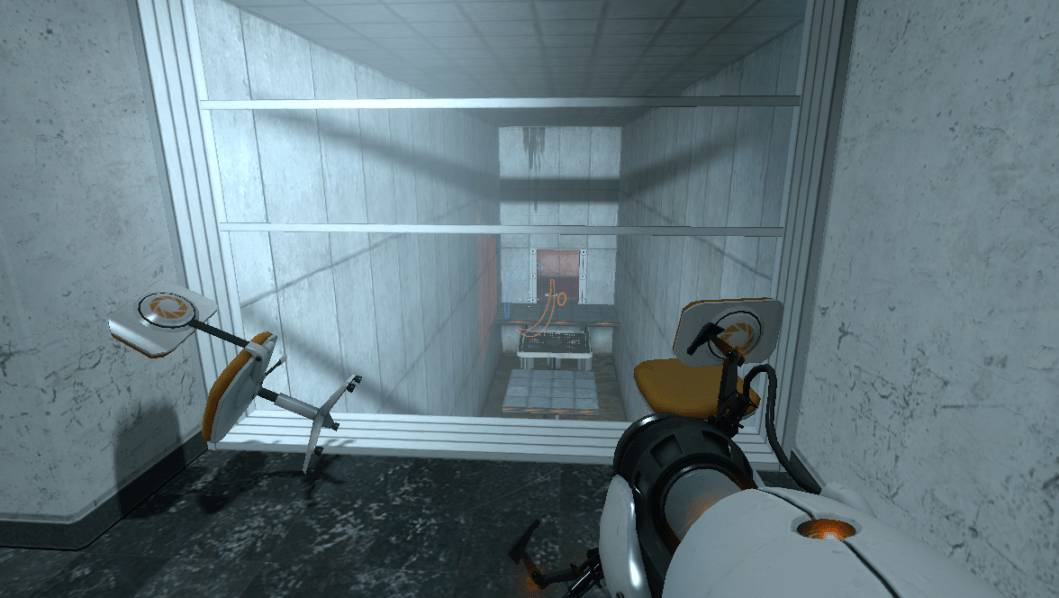
Figure 16. Inside Observation Deck (Valve, 2007, own screenshot)
References
Portal. (2007). [PC]. Bellevue, WA: Valve.
Valve. (2007, October 10). Portal. Retrieved from https://store.steampowered.com/app/400/Portal/.
IMDb.com, Inc. (n.d.). Portal Quotes. Accessed 2018, September 27 at https://www.imdb.com/title/tt1127708/quotes.
 The Art of Replaying